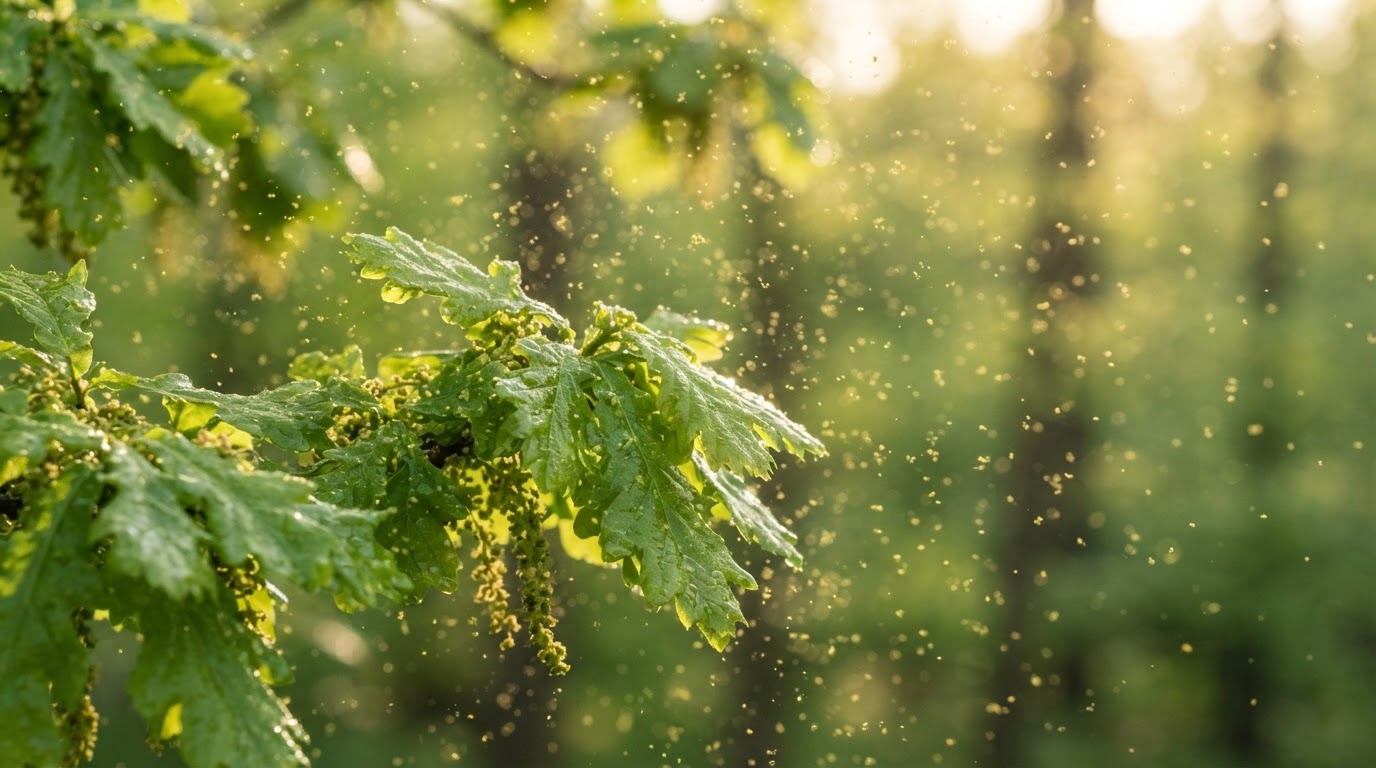
Practical, evidence-based strategies to reduce sneezing, congestion, and itchy eyes during high-pollen months.
Understanding Triggers
Seasonal allergies occur when the immune system overreacts to airborne particles such as pollen and dust. In the UAE, dust storms and certain flowering seasons can sharply increase symptoms.
Identifying your specific triggers through a simple allergy assessment helps tailor an effective management plan.
Daily Habits That Help
Keep windows closed on high-pollen or dusty days, shower and change clothes after outdoor activity, and use a HEPA air purifier indoors.
Rinsing the nasal passages with saline can flush out allergens and ease congestion naturally.
When to Consider Medication
Over-the-counter antihistamines and nasal sprays can relieve mild symptoms. For persistent or severe cases, a physician can recommend a targeted plan.
Never ignore symptoms that affect sleep or breathing, as these may indicate a need for prescription support.
Long-Term Options
For some patients, immunotherapy gradually reduces sensitivity to specific allergens over time. This is a decision best made with your physician based on testing results.
Lifestyle adjustments combined with medical guidance offer the most lasting relief.
Key Takeaways
Identify your specific triggers through a simple assessment.
HEPA filters and saline rinses reduce daily exposure.
Persistent symptoms warrant a physician's review.
Immunotherapy is a long-term option for severe cases.